
By Dorjee Gyaltsen
After the brutal winter of 1958,
spring—long awaited, deeply prayed for—
never truly arrived.Instead, the CCP descended like a storm over the mountains,
tearing apart homes and forcing families into fear.
For many, survival became the only option left.
Among them was a teenage boy,
his fear beating wildly inside his chest.
Everything familiar was slipping away,
and remaining behind meant surrendering his life.
With little more than fading hope
and a final embrace,
he said goodbye to his family,
uncertain if their faces would ever meet again.
The road ahead was cruel and unforgiving.
No map could prepare someone for it,
and no one would choose such suffering willingly.
Each mile demanded sacrifice—
strength, innocence, dreams.
He stumbled through snow and stone,
through hunger, exhaustion, and bloodied feet,
crossing the towering Himalayas for months.
Then, almost impossibly,
another world revealed itself—
alive with voices, music, and light.
To him, it felt sacred,
like a reward granted only after endless hardship
and years of unanswered prayers.
But many never survived the passage.
Some disappeared into the frozen emptiness,
swallowed by ice and silence.
Those who endured carried invisible wounds
that no medicine could ever cure.
By midsummer, he arrived in Kathmandu,
a city scented with incense and lined with temples.
After weeks trapped between sickness and delirium,
he slowly returned to consciousness,
awakening once more to the fragile miracle of life.
Still, the struggle did not end there.
A different kind of mountain now stood before him:
a foreign culture,
an unfamiliar language,
a life that constantly reminded him he was far from home.
Yet fate can move in unexpected ways.
Who could have imagined
that a shepherd boy would one day live
in a cramped apartment in New York City?
Only the sky above him
and the passing seasons
felt unchanged in this unfamiliar land.
Then life offered him companionship—
a woman who understood displacement
because she had lived through it too.
Together, through gestures, patience, and quiet resilience,
they created a home from almost nothing.
When English failed them,
they depended on neighbors
for even the smallest tasks,
like reading letters in the mail.
Still, the wounds of 1959 remain alive within them.
Seeing CCP officials welcomed beside powerful leaders
reawakens memories they have spent decades trying to outrun.
Even without knowing every political detail,
they continue to carry one fragile hope:
to see their family again,
if only once before time runs out.
Years later, their daughter was born,
and with her came a renewed sense of purpose.
She became the reason they persevered,
the reason they kept learning, working, enduring.
Maybe one day they will find the words
to fully tell their story—
their truth—
as she grows into a proud Tibetan American,
standing confidently in both her community
and the wider world.
For her future, they silence their pain.
For her dreams, they continue forward,
despite never fully feeling at home anywhere.Still beneath a distant moon.
Still holding tightly to hope.
Still waiting—
for the day a brighter future finally arrives.
Dorjee Gyaltsen is a student at LaGuardia majoring in Psychology. English is his second language and his goal to pursue writing in English is just to share rhetorical story of his community to wider audiences.
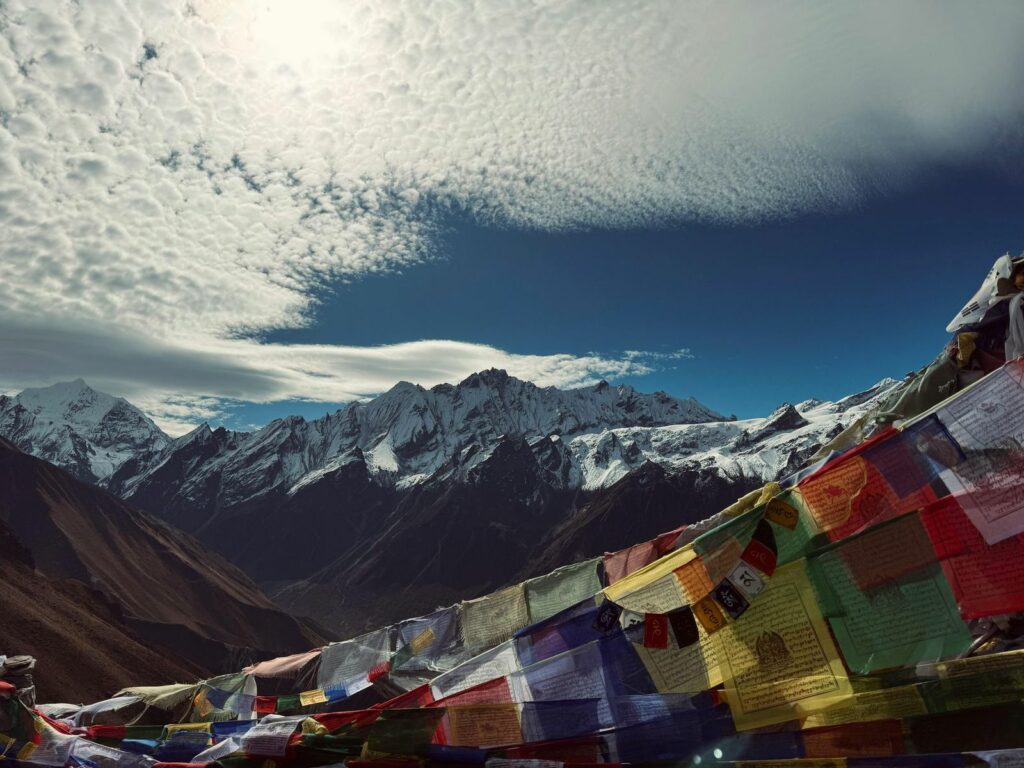
Photograph by Susan Pandey on Pexels.com (CC).
